Learn To Read Enemy Intentions Faster
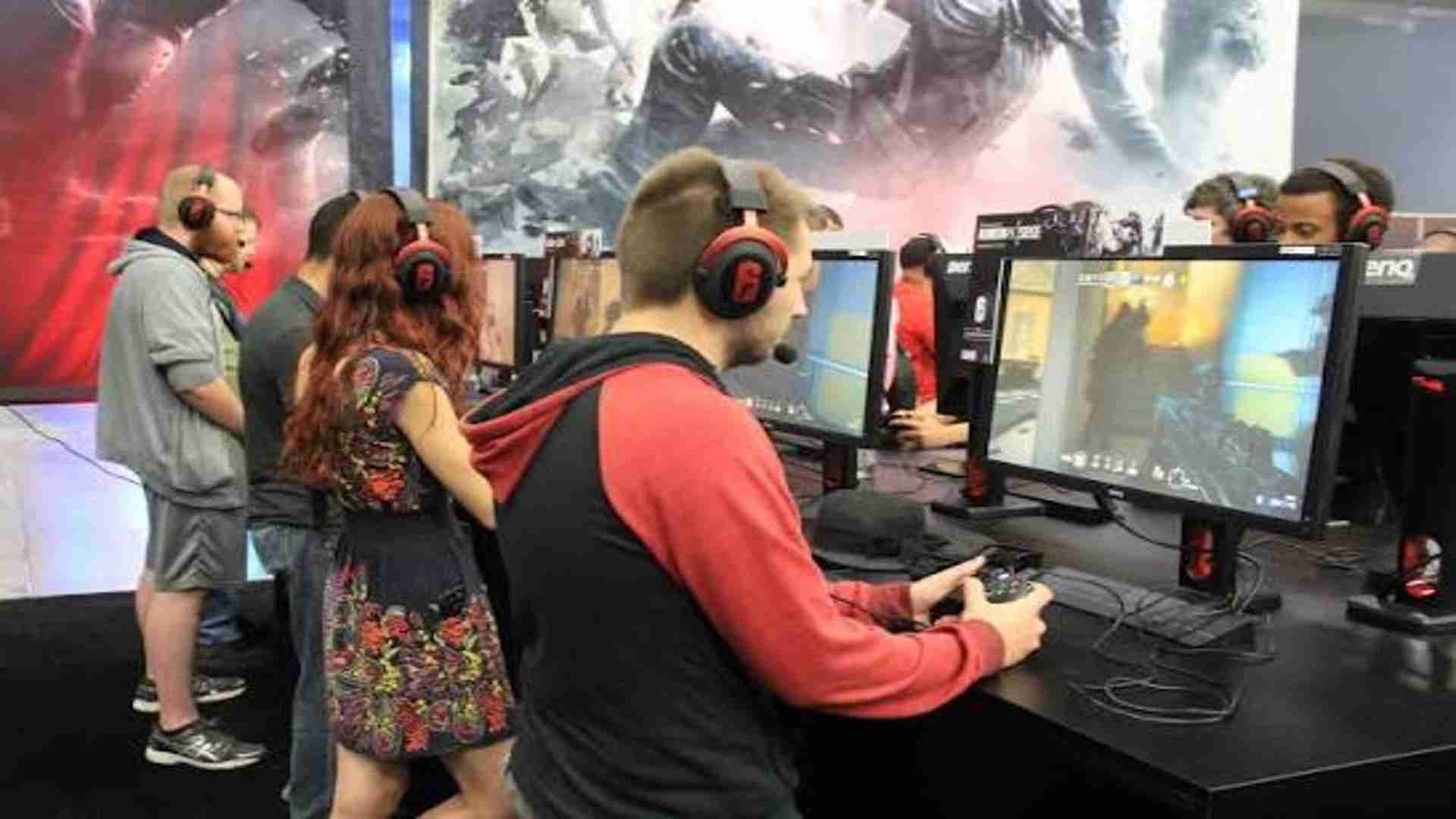
Developing the ability to anticipate your opponent's next move is the defining factor that separates amateur players from seasonal masters in competitive gaming. While mechanical execution allows you to survive intense skirmishes, high-level strategy relies entirely on cognitive speed and mentalizing capabilities. By mastering specific behavioral signals and structural patterns on the battlefield, you can consistently neutralize threats before they even materialize.
Recognizing Subtle Behavioral Cues
Every decision an opponent makes leaves a digital paper trail, often expressed through minor changes in their physical positioning or standard movement patterns. For instance, an enemy hero who suddenly deviates from their usual gold farming routine to step aggressively into an un-warded corridor is likely signaling an impending ambush. Recognizing these immediate shifts in behavior allows your team to counter-rotate effectively or prepare a defensive fallback position.
Furthermore, studying common spatial tendencies under intense pressure will reveal predictable habits that can be easily exploited in late-game skirmishes. Most players tend to rely on familiar escape routes or repeat specific spell combinations when their health bars drop dangerously low. Observing these repetitive behavioral cycles during the early game provides you with the crucial data needed to execute flawless skill shots later on.
Analyzing Macro Map Dynamics
Anticipating enemy motivations requires a comprehensive understanding of the entire battlefield layout rather than focusing strictly on your immediate lane. When multiple members of the opposing team vanish from the mini-map simultaneously, they are usually positioning themselves around high-value objectives. Advanced map awareness allows you to deduce whether they are setting up a trap near the Abyssal Dragon or attempting a stealthy push against your outer structures.
Tracking spawn timers for major jungle camps is another essential method for charting potential enemy movements across the competitive arena. A disciplined team will always prioritize resource management, which means their primary damage dealers will naturally migrate toward refreshing gold sources. By cross-referencing these objective cycles with current vision data, you can safely assume their trajectory and establish an optimized defensive perimeter.
Exploiting Resource Management Shifts
An opponent's resource pool, including their remaining mana levels and critical ability cooldowns, heavily influences their overall willingness to engage in combat. When an enemy lane opponent actively conserves their major spells, they are typically waiting for an approaching teammate to initiate a coordinated offensive. Conversely, a sudden retreat from an otherwise dominant target usually signifies that their primary defensive tools are temporarily unavailable.
Understanding these tactical limitations prevents your squad from taking unnecessary risks during high-stakes structural sieges. If you can accurately track when the opposing team has exhausted their crowd control abilities, you unlock a massive window for a decisive counter-offensive. Maintaining this disciplined focus transforms chaotic encounters into highly predictable victories that ensure steady progression on the ladder.