Understanding Why Probability Does Not Follow Player Wishes
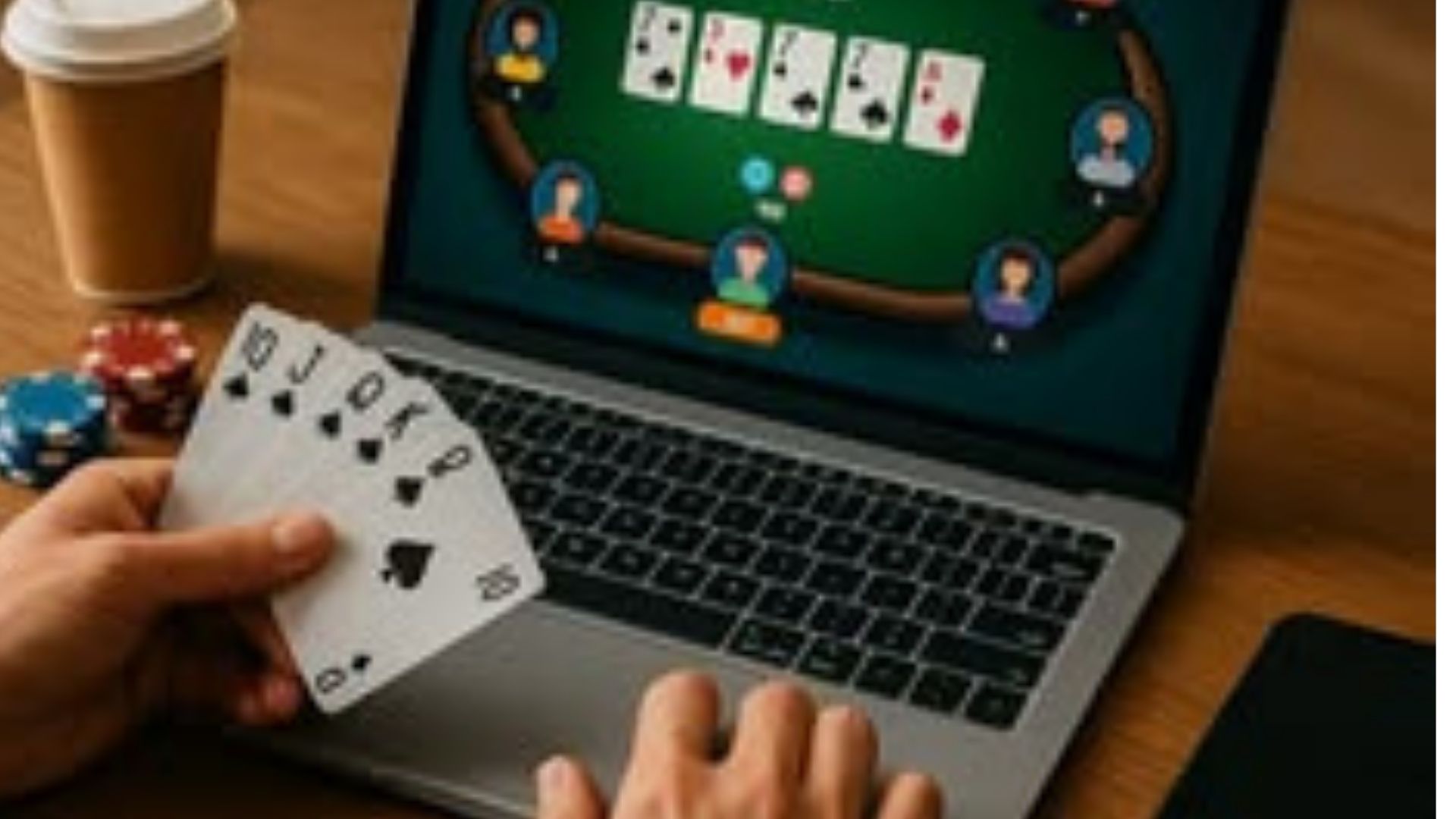
Many players believe that focus, hope, or personal rituals can somehow influence the outcome of a game governed by chance. However, mathematical principles dictate that random systems operate entirely independent of human emotion or desire. Understanding this gap between expectations and statistical reality helps individuals maintain a healthier perspective on gaming activities.
The Nature of Independent Events
In games of chance, each round operates as an isolated event unaffected by previous results or future hopes. Probability laws dictate that past outcomes do not build momentum or guarantee a correction in subsequent attempts. Recognising this independence prevents players from falling into common psychological traps regarding expected results.
Statistical odds remain constant regardless of how strongly a person feels a specific outcome is due. This fundamental principle ensures that computational logic and mechanical randomness remain entirely neutral. Accepting this reality allows players to approach games with clear boundaries rather than emotional investment.
Psychological Bias and the Illusion of Control
Human psychology naturally seeks patterns and meaning, even in completely random sequences. When players experience a streak of events, they often attribute the pattern to skill, timing, or personal intuition. This illusion of control creates a false narrative that inner desires can alter objective system behavior.
Many digital gaming options, accessible via platforms like m88 slot login, rely on certified random number generators to ensure complete impartiality. These mathematical algorithms guarantee that every participant faces identical odds on every turn. Consequently, personal expectations remain completely separate from the underlying calculations.
The Fallacy of Due Outcomes
A frequent misconception among players is the belief that a specific result becomes overdue after a long series of opposing outcomes. Known as the gambler's fallacy, this line of reasoning assumes that random systems self-correct to balance out short-term discrepancies. In truth, short-term randomness frequently produces long sequences that defy subjective expectations.
Probability balances out only over millions of iterations, far beyond the scope of a single play session. Therefore, expecting immediate equilibrium based on recent events leads to flawed decision-making. Realising that randomness has no memory helps maintain a grounded outlook during gameplay.
Building a Healthy Relationship with Chance
Developing a firm understanding of mathematical odds encourages a more responsible approach to interactive entertainment. When individuals view outcomes through the lens of statistics rather than emotional hope, they make more rational choices. This mindset reduces frustration and promotes enjoyment based on entertainment value rather than expected victories.
Ultimately, accepting that probability does not follow personal wishes provides clarity and emotional stability. Games remain fair precisely because they operate without bias or awareness of human desire. Respecting the laws of chance is the foundation of a balanced gaming perspective.